Algorithmic Tokens
A collection of NFTs on Ethereum with one token for each famous algorithm. A script reads the code of the algorithm and draws the token from it: the length, the width of the lines and the hash of the code decide how it looks. I came up with the concept, wrote the generator and the smart contract, and published the collection on OpenSea.
- Role
- Blockchain Developer & Product Owner
- Year
- 2022
Code as a collectible
2022 was the year of the metaverse. Brands bought land in virtual worlds, NFT marketplaces traded billions and every company was looking for its way into Web3. The AI consultancy I worked at wanted one too, in a form that said something about its own craft.
Algorithmic Tokens is a collection of non-fungible tokens on Ethereum, one for each famous algorithm, from Hello, World! to the neural networks behind modern computer vision. Nobody draws the tokens by hand: a script reads the source code of each algorithm and derives the image from it, so every token is a portrait of its code.
A collection for an AI company
The project was a business experiment and a way to show what the company knew best. It had to:
- Enter the Web3 conversation while NFTs and the metaverse were at their peak, with a collection the company owned and could show.
- Show the craft by putting AlexNet, GoogleNet, ResNet and AdaBoost, models the team worked with every day, next to the classics every developer knows.
- Let the code draw itself: the same code always gives the same token, with no hand-made choices in between.
- Live on chain: minted on Ethereum and traded on OpenSea, with a creator fee on every resale.
- Take part in the Metaverse Summit in Milan in 2022 with a real project to show and talk about.
Seven algorithms
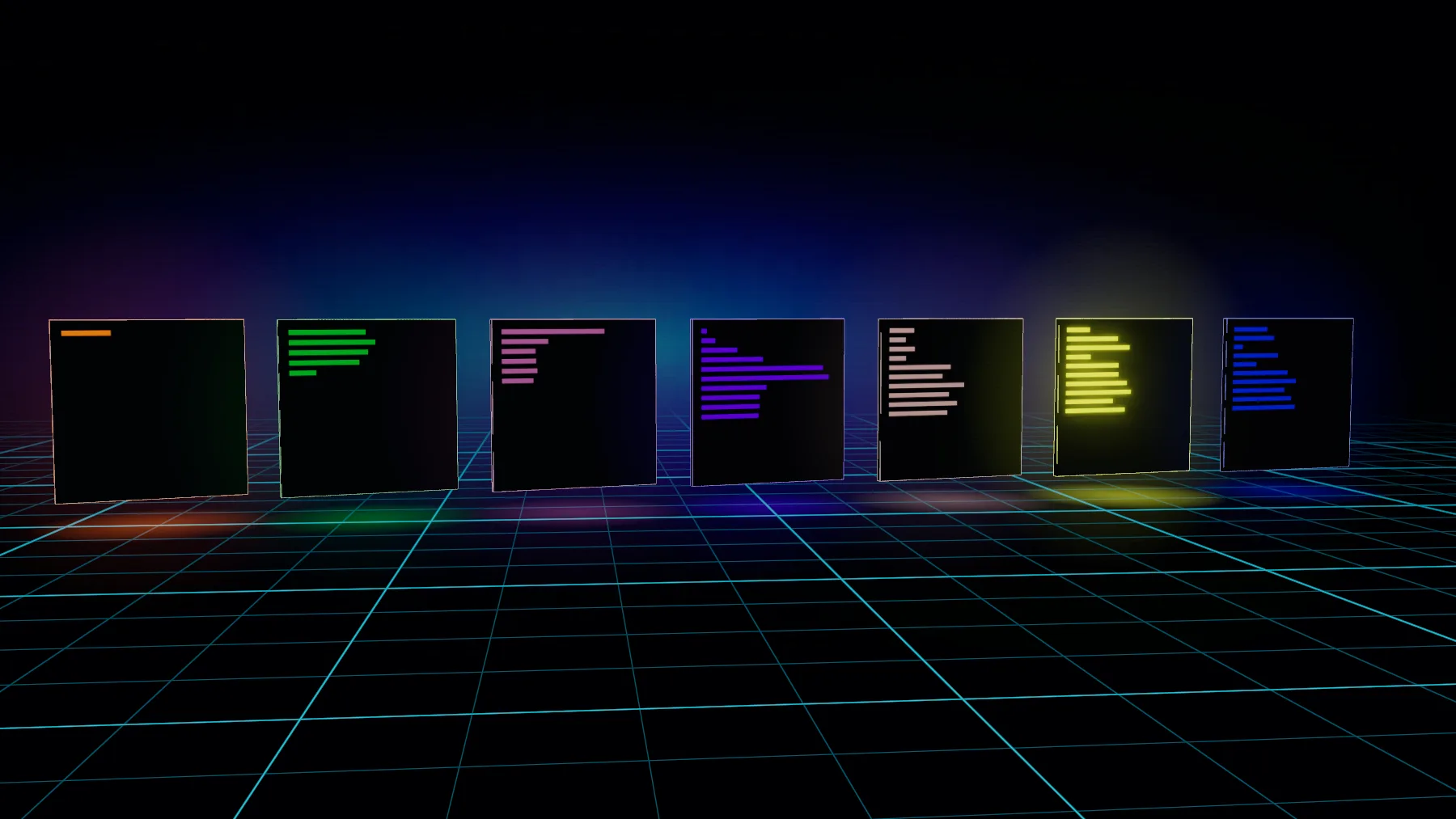
The first drop holds seven tokens, ordered here from the shortest code to the longest.
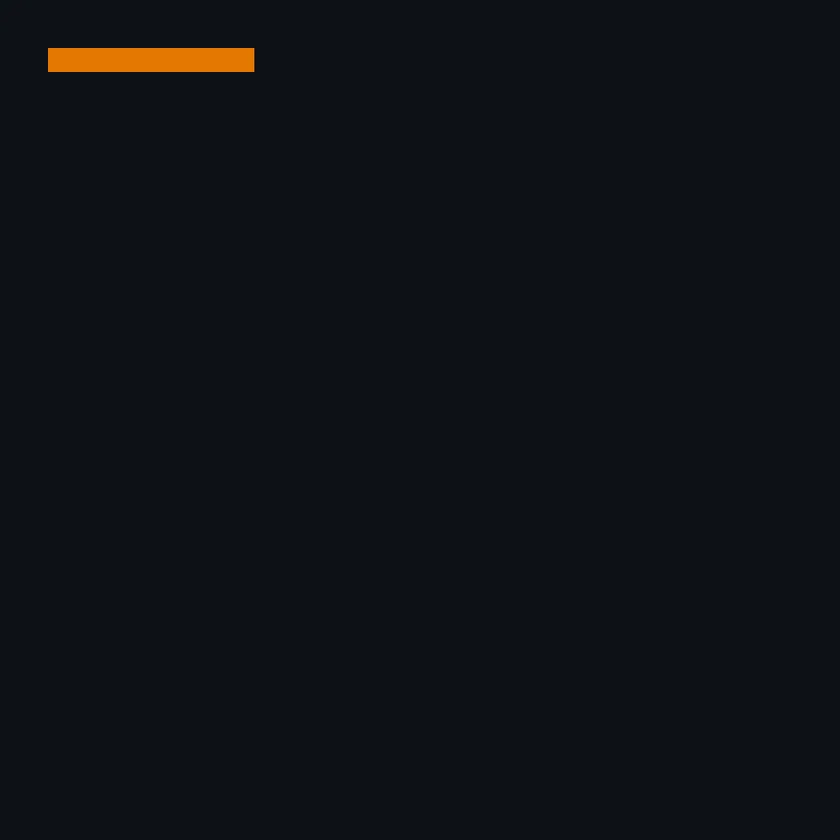
Hello, World!
The first program almost everyone writes. One line of code becomes a single bar.
- Language
- Python
- Color
- #e47801
- Bars
- 1
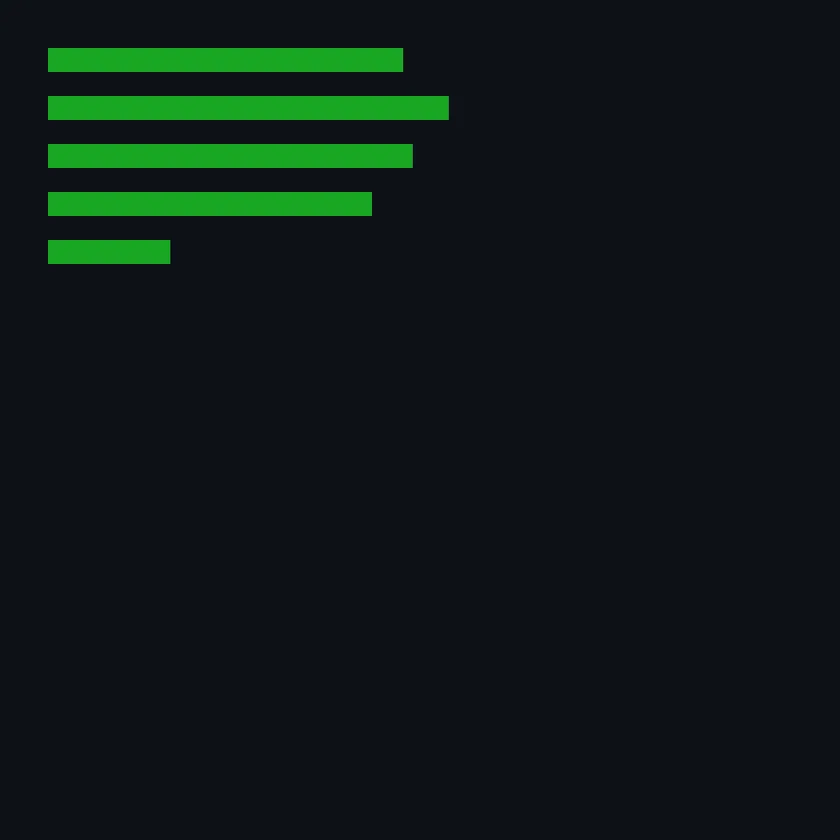
Bubble Sort
The textbook sorting algorithm: it walks through a list and swaps neighbours until nothing is out of order.
- Language
- Java
- Color
- #1aa724
- Bars
- 5
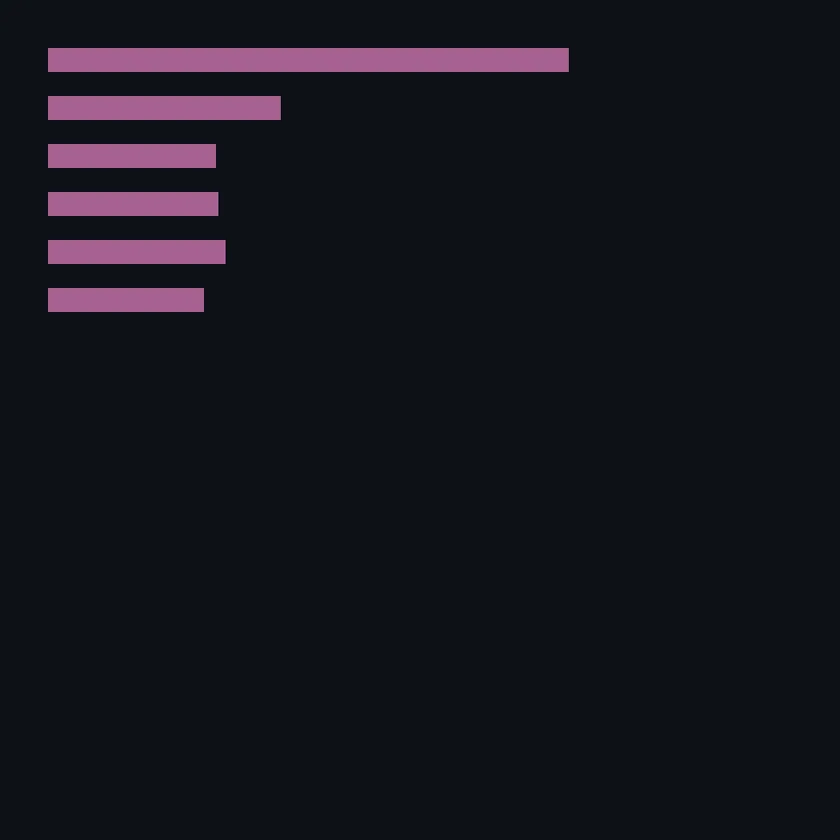
Recursive Fibonacci
A function that calls itself to build the Fibonacci sequence, the classic example of recursion.
- Language
- JavaScript
- Color
- #a76192
- Bars
- 6
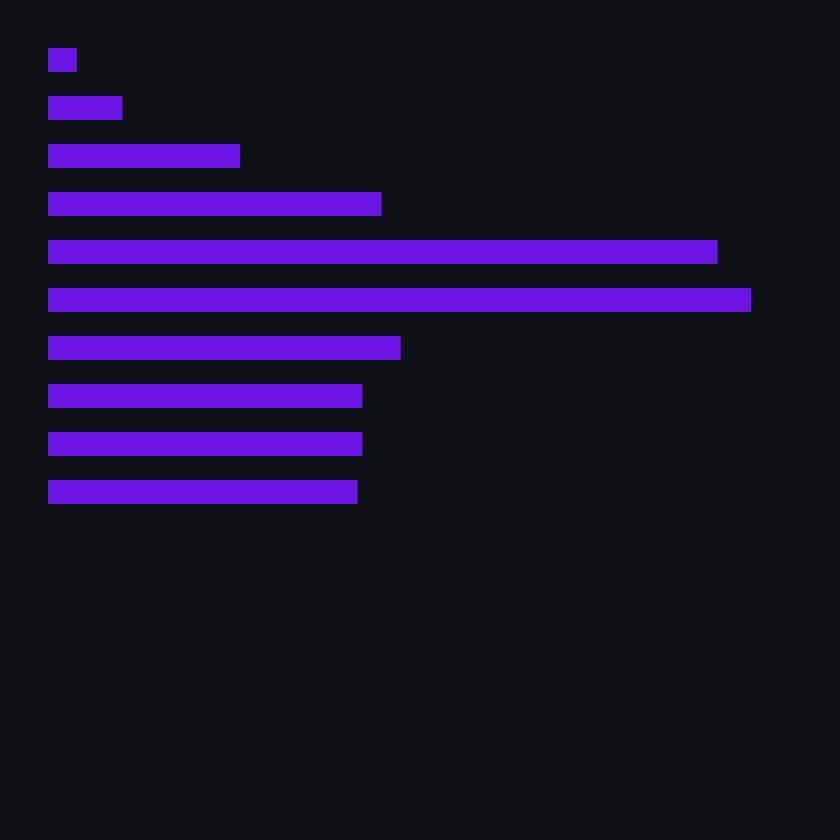
AdaBoost
A machine learning method that combines many weak classifiers into a strong one.
- Language
- Python
- Color
- #6d13e6
- Bars
- 10
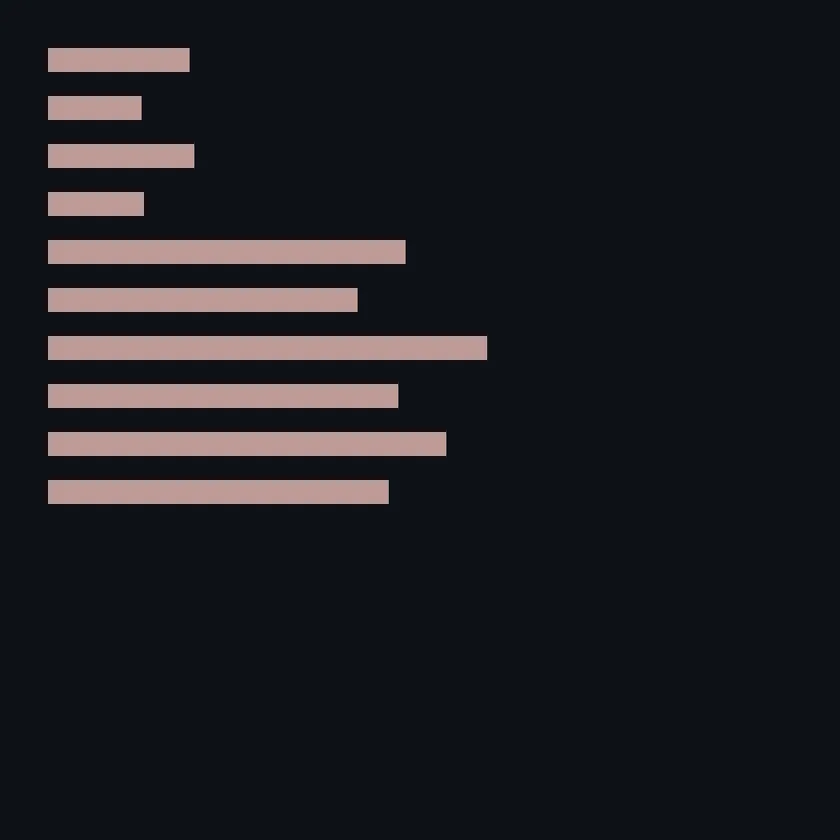
AlexNet
The convolutional neural network that won the ImageNet challenge in 2012 and started the deep learning wave.
- Language
- Python
- Color
- #bf9b97
- Bars
- 10
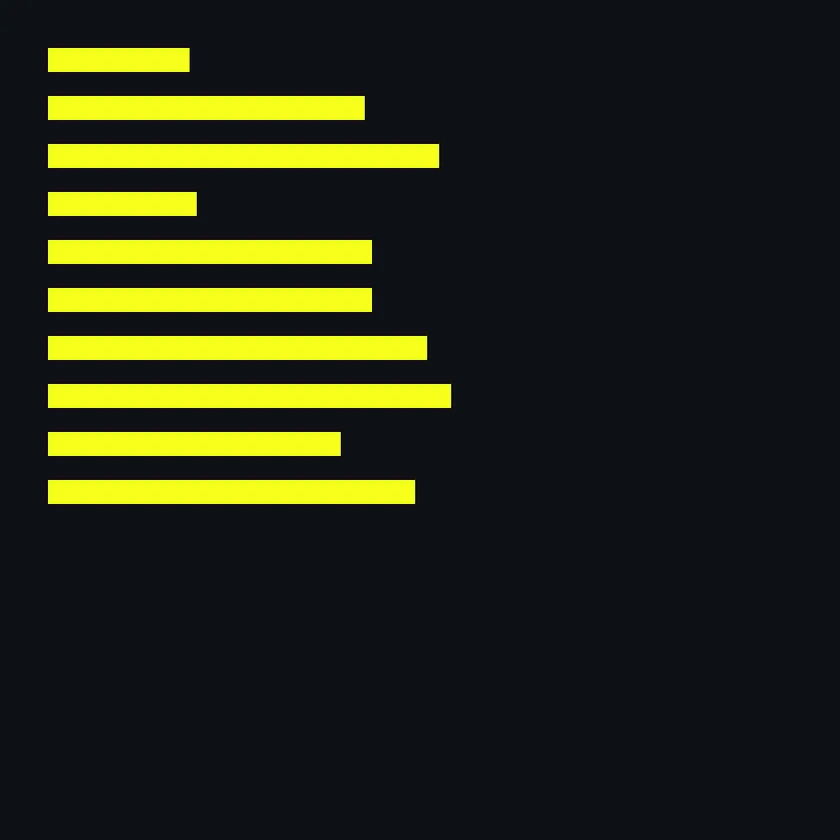
GoogleNet
A 2014 network for image recognition built from inception modules, which look at an image at several scales at once.
- Language
- Python
- Color
- #f7ff1b
- Bars
- 10
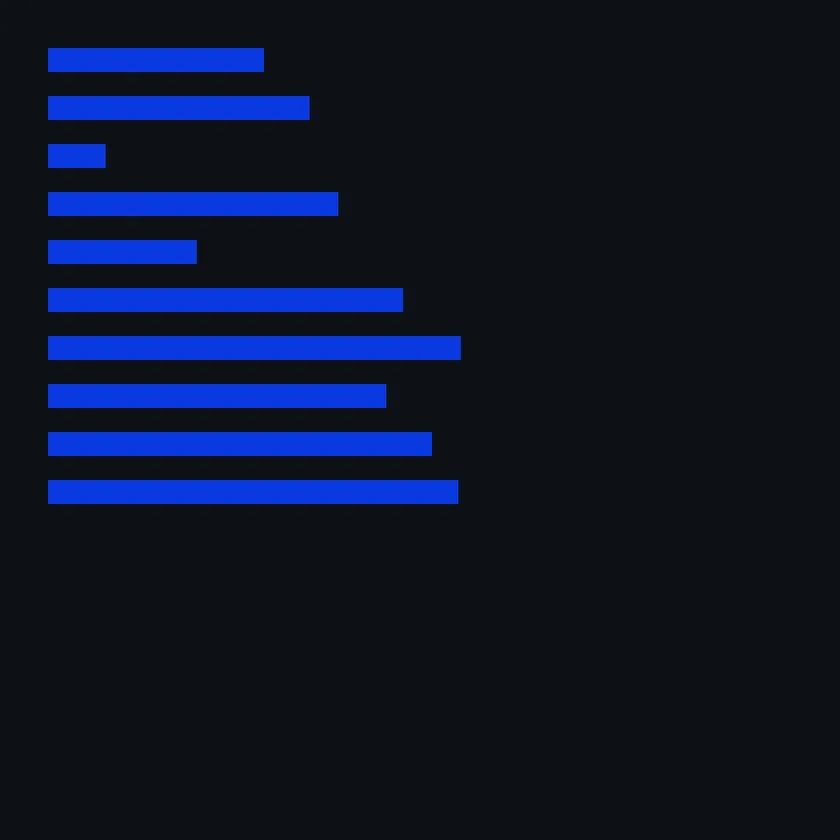
ResNet
A deep network whose residual connections made it possible to train hundreds of layers, the base of much of computer vision since 2015.
- Language
- Python
- Color
- #0938e0
- Bars
- 10
How a token is drawn
The generator turns three properties of the code into three visual rules. Together they make every token unique and repeatable: anyone who runs the same code through the generator gets the same image.
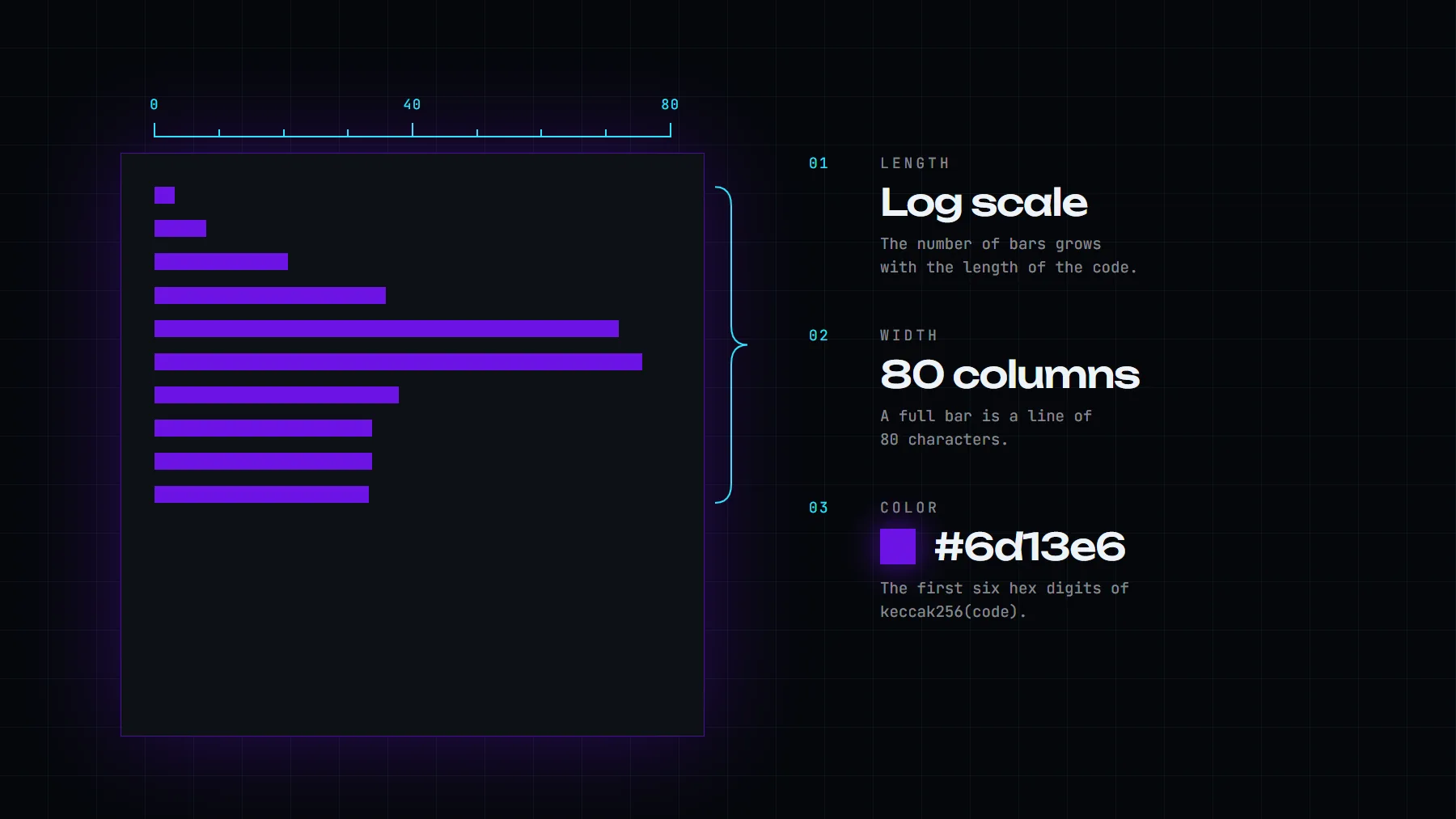
Length
The number of bars follows the length of the code on a logarithmic scale, so a one-liner and a neural network fit in the same frame.
Width
Each bar is measured against the 80 characters per line that most style guides recommend: a bar across the whole token is a full line.
Color
The color is the first six hex digits of the keccak256 hash of the code, the hash function Ethereum itself relies on. Change one character and the color changes.
From script to OpenSea
I took the project from the idea to the marketplace, writing the code at every step.
Pick the algorithms
I chose a first set that goes from the first program anyone writes to the models the company worked with, in Python, Java and JavaScript.
Write the generator
A Python script reads each source file, measures its length and its lines, hashes it with keccak256 and draws the token as a square image.
Prototype the contract
I wrote a custom ERC-1155 contract in Solidity to mint the tokens with their metadata, and deployed it on an Ethereum testnet to try the whole minting flow.
Publish on OpenSea
For the public release I moved the collection to OpenSea's shared storefront on Ethereum, with a name and description for every token, the collection page and a 3% creator fee.
Bring it to the summit
The collection gave the company a concrete Web3 project to bring to the Metaverse Summit in Milan in 2022.
Seven tokens on chain
Algorithmic Tokens lives on Ethereum as a collection of seven unique tokens, each one generated from the code it represents. The same generator can turn any other algorithm into a new token with the same rules, so the collection can grow one algorithm at a time.